

Industry Leaders Discuss Sustainability, Infrastructure, and Community Engagement at MedCruise General Assembly
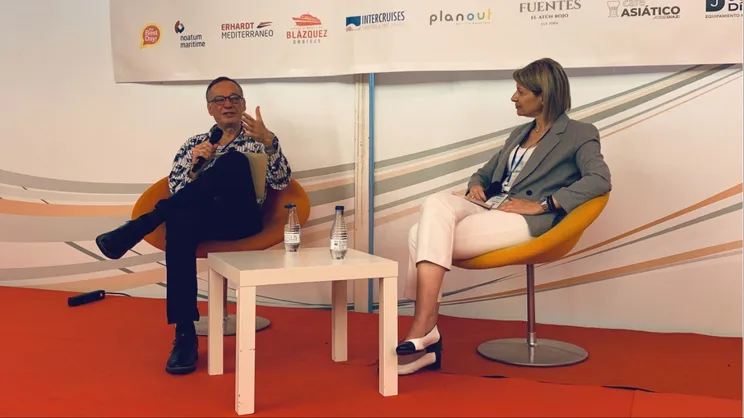
The 66th MedCruise General Assembly, held in Cartagena, Spain, from June 10–13, 2025, brought together leading figures from the cruise industry to discuss the key challenges and opportunities facing Mediterranean cruise destinations. The event featured expert panels focused on sustainability, community engagement, infrastructure development, and itinerary planning across one of the world’s most popular cruise regions.
A recurring theme throughout the assembly was the importance of balancing economic benefits with environmental responsibility and the needs of local communities to ensure the long-term sustainability of cruise tourism.
Opening the event, MedCruise President Theodora Riga emphasized the value of collaboration among cruise lines, ports, destinations, and industry stakeholders.
Passenger Experience and Community Engagement
José Sánchez, Director of Agenda AIVP 2030, Projects and Content at AIVP, highlighted the second phase of the AIVP-MedCruise working group focused on port-city relationships. He identified two priorities: understanding cruise lines’ community engagement strategies and developing visitor flow management solutions for high-volume port cities.
Jon Olav Stedje, Sustainability and Community Engagement Manager at MSC Cruises, stressed the importance of transparent communication with local communities. Drawing from his experience managing the Norwegian port of Flåm, he advocated for meaningful dialogue with residents and greater engagement with critical voices to build long-term trust.
Hortensia Sánchez, Business Development Manager at the Port Authority of Cartagena, shared the city’s collaborative approach involving local authorities and stakeholders. She highlighted the “Cruise Friendship” initiative, which encourages local businesses to remain open during cruise calls and strengthens the relationship between the port and the city.
Ioannis Bras, CEO of Five Senses Consulting & Development, encouraged ports to create cruise excursion materials, implement smart wayfinding systems for independent travelers, and develop dedicated crew corners with Wi-Fi access and local shopping information. He emphasized the economic impact crew members can have on destinations when they are informed about local experiences and services.
The Future of Cruise Itineraries
Giora Israel, President of Giora Israel LLC, explained how shore power is becoming increasingly important in itinerary planning due to European Union and International Maritime Organization emissions regulations. Ports that offer affordable shore power allow ships to reduce emissions and support cruise lines in meeting sustainability targets.
Israel also challenged the industry’s traditional seasonal approach, suggesting that Mediterranean cruising has the potential to become a year-round product.
Crystal Morgan, Senior Director of Deployment and Itinerary Planning at Seabourn, noted that smaller luxury vessels have greater flexibility because they can anchor in a wider variety of Mediterranean destinations. She explained that itinerary decisions are always based on balancing demand, source markets, operational requirements, and destination appeal.
Simone Frontini, Senior Itinerary and Deployment Analyst at Costa Cruises, emphasized the importance of port infrastructure for larger vessels carrying up to 6,000 passengers. He explained that guest demand remains the primary driver of itinerary decisions and highlighted Costa’s “Sea Destinations” concept, which creates unique onboard experiences inspired by specific Mediterranean regions.
Mark Robinson, General Manager of BC Tours, discussed the operational challenges that large cruise ships can create in smaller destinations and called for stronger cooperation between cruise lines, tour operators, and destinations to improve transportation logistics, guide availability, and the diversification of shore excursions.
Port Infrastructure and Innovation
Sylviane De Tracy, Destination Development Director at Ponant, presented the company’s Swap2Zero project, which aims to develop a zero-carbon-emission vessel powered primarily by wind energy and supported by alternative clean energy sources, including LNG and solar power.
Abigail Crossley, Senior Manager of Global Sourcing and Shore Excursions at Carnival Corporation, highlighted the growing importance of creating meaningful cultural exchanges that connect guests with local chefs, artisans, farmers, and communities, transforming excursions into authentic destination experiences.
During a panel on port infrastructure, Odette McFarlane, Director of Port and Shore Operations at Carnival UK, explained how data-driven technologies and artificial intelligence are helping optimize passenger flows, baggage handling, and operational efficiency.
Serafín Blázquez, Chief Operating Officer at Cruise Saudi, shared the company’s digital transformation initiatives, including smart terminal gates and biometric processing applications designed to improve passenger processing and immigration procedures.
Representatives from the ports of Valencia, Lisbon, and Cape Verde discussed ongoing investments in shore power infrastructure and sustainability projects, highlighting the importance of European funding to support these major developments.
Alternative Energy Sources and the Future of Cruising
One of the most thought-provoking discussions focused on alternative energy solutions for the cruise industry. Giora Israel argued that the sector must remain open to exploring all viable technologies, including future nuclear energy solutions, as the industry works toward long-term decarbonization goals.
While opinions varied, panelists agreed that innovation, collaboration, and continued investment in sustainable technologies will play a critical role in shaping the future of cruise tourism.
A Shared Vision for Sustainable Growth
The discussions at the MedCruise General Assembly reinforced the industry’s commitment to creating a cruise sector that delivers economic value to destinations while addressing environmental responsibilities and community expectations.
Through stronger partnerships, smarter infrastructure, and a focus on sustainable development, maritime tourism continues to demonstrate its ability to generate significant benefits for local economies while supporting the long-term growth of the global cruise industry.